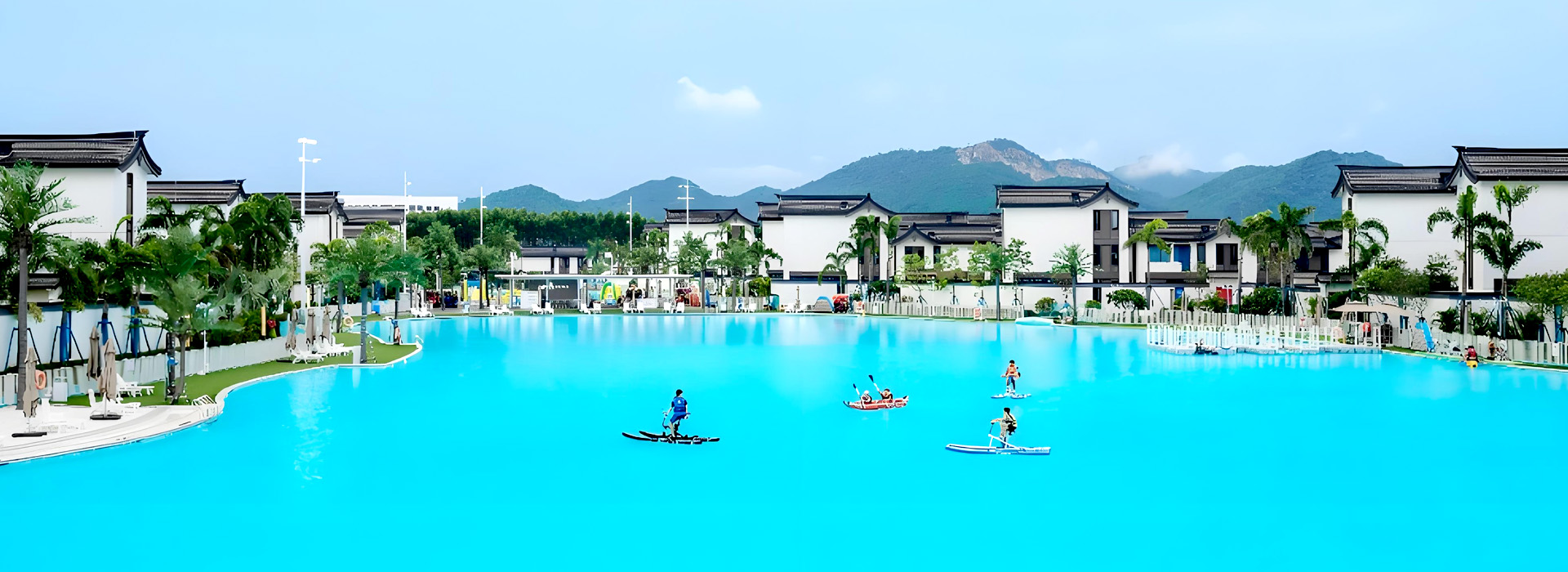
Is the azure and transparent color of Crystal Lake a natural occurrence or a man-made creation?
The water bodies created by Cyanthos-Lake technology are generally pine green or bright blue, crystal clear and transparent—like sparkling blue gemstones inlaid on the earth. Such water bodies are not only aesthetically pleasing but also environmentally friendly and sustainable. Its technology enables the water to remain clear and transparent around the clock, providing an ideal venue for various water activities.
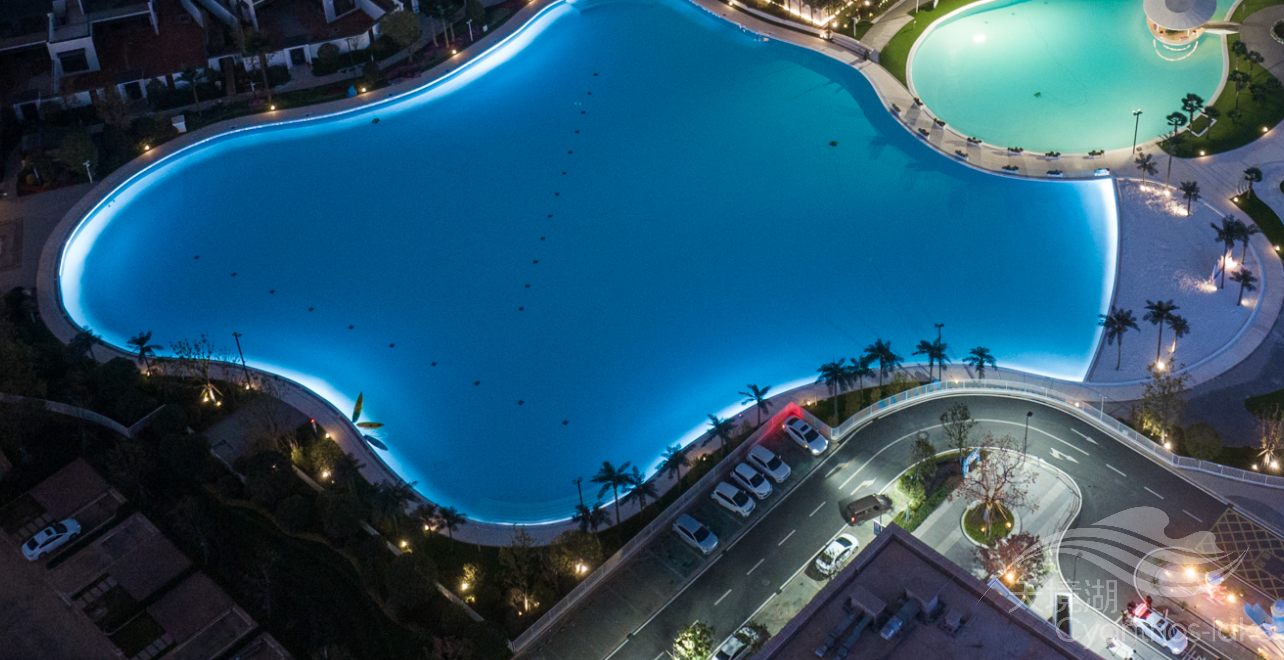
Factors Affecting the Color of Water Bodies
The color change of natural lake water is affected by multiple factors:
The saying "Clear water means shallowness, green water means depth, black water means abyss, blue water means vastness, and yellow water means rapid flow" vividly describes the relationship between water color and water quality.
Minerals and dissolved substances in lake water change the color of the lake by affecting light transmission. For example, lake water containing sulfates and iron ions may appear green or blue. In addition, it is also related to the concentration of organic matter: when the concentration of organic matter is high, the lake water presents a dark green or blackish-green color; when the concentration of organic matter is low, the lake water shows a clear blue color.
The thickness of limestone at the lake bottom also affects the overall tone of the lake water by influencing the intensity and color of reflected light, among other factors.
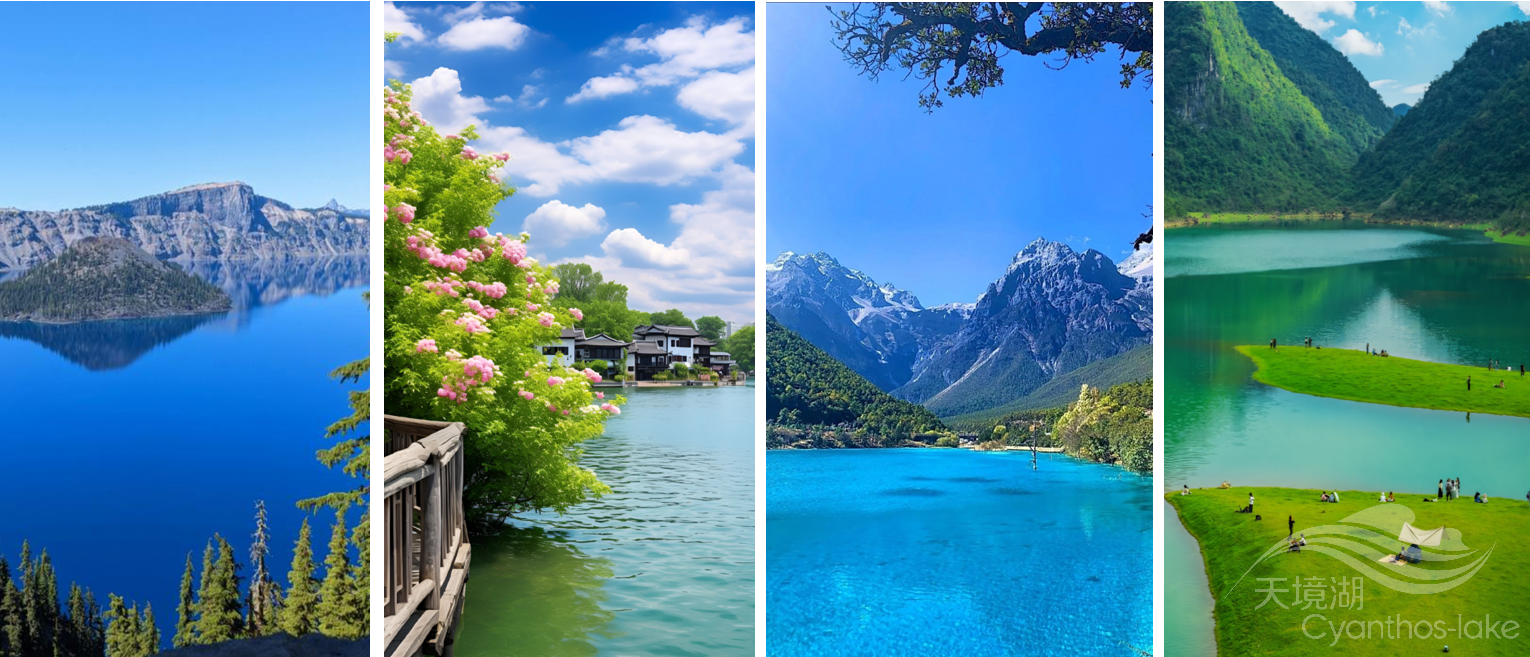
Then, is the crystal-clear color of Crystal Lake— which resembles that of a natural lake— a natural occurrence or a man-made creation?
The Mystery of Crystal Lake's Water Color
Whether it is the "public man-made lagoons" promoted by Crystal Lagoons in the United States, or the Crystal Lake products created by Cyanthos-Lake Company in China, the color of the water body is a distinctive feature and key promotional focus of each project.
large crystalline water bodies with high transparency and microbiological quality.
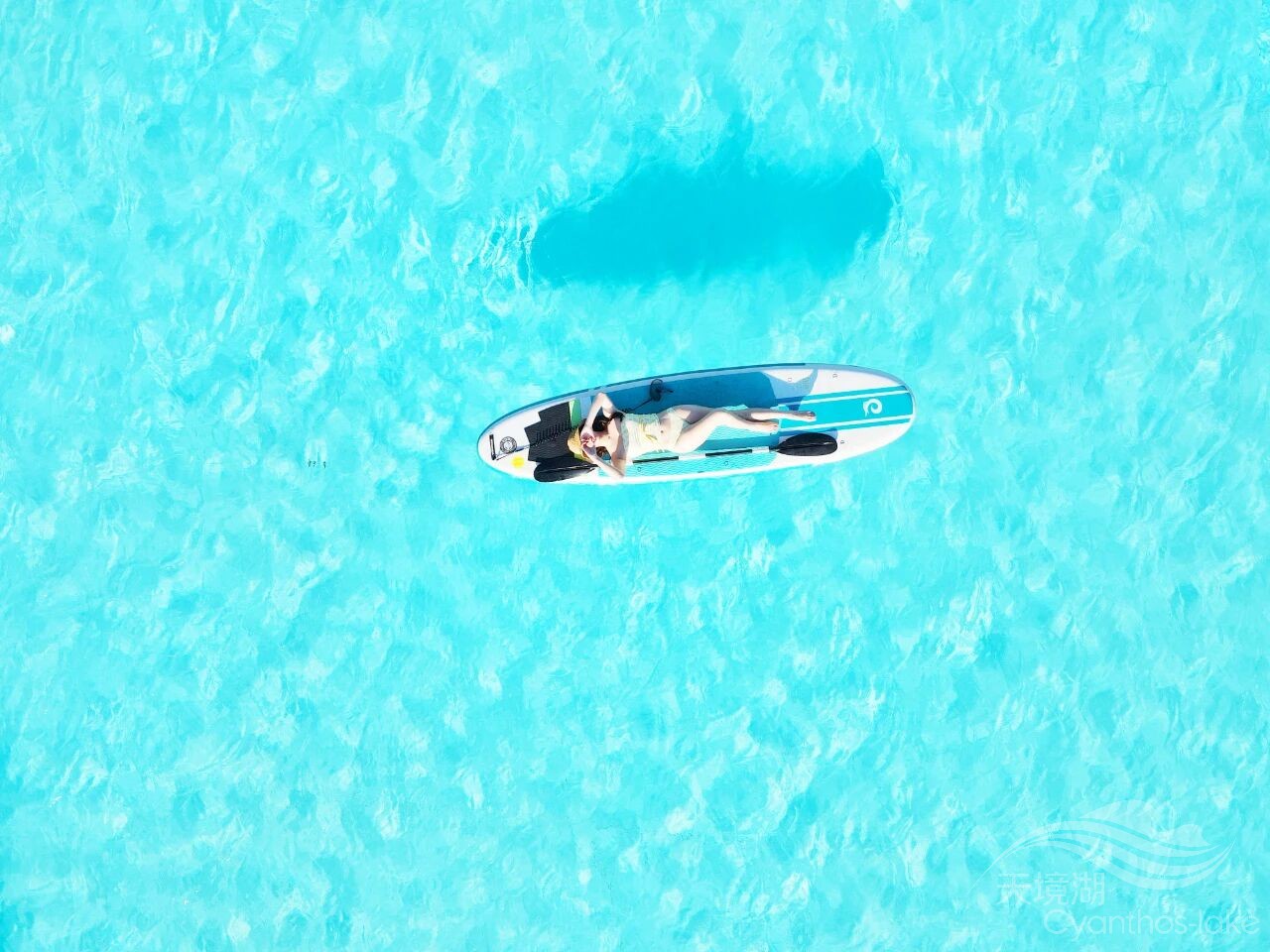
Then, do the bottom and four walls of the Crystal Lake pool have color?
For man-made water facilities, a common method to make the water color look more distinctive is to design and color the pool bottom and surrounding pool walls during the construction phase. This method can achieve an attractive color for large-scale water bodies by coloring the bottom and surrounding areas of the water, and both the construction cost and subsequent operation and maintenance costs are relatively low. So, is the color of Crystal Lake also formed by the color design of its pool bottom and surrounding pool walls?
Before answering this question, let's first review the optical phenomena in physics.
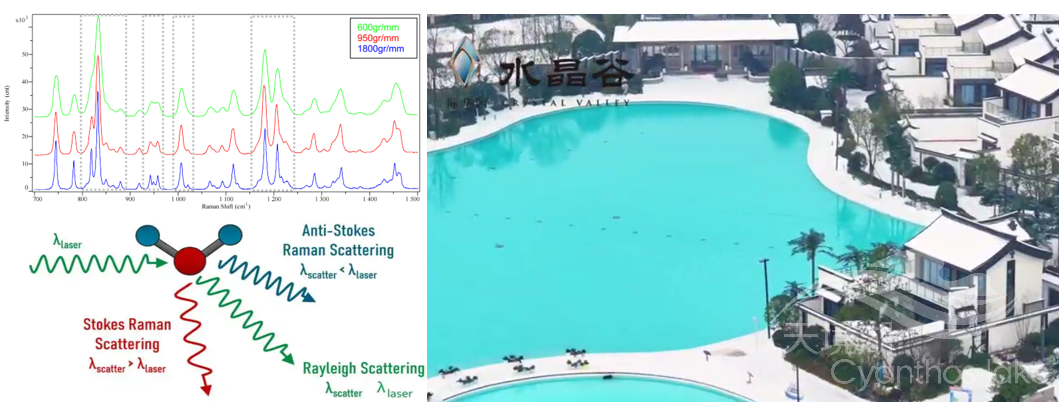
The Raman effect refers to the scattering of light in water molecules. When the water is shallow, most of the light can transmit through it, so the water appears transparent. As the water depth increases, red, orange, and yellow light—with longer wavelengths—are the first to be absorbed by the water. Since green light has strong scattering ability in water and is not easily absorbed, the lake water appears green. For deeper and broader seawater, blue and purple light—with shorter wavelengths—are scattered out, creating the azure blue of the ocean.
Based on the above optical phenomena, the research team of Cyanthos-Lake (Beijing) Technology Co., Ltd. conducted relevant experiments on the selective absorption law of visible light by water bodies in combination with specific projects. Through these experiments, the Cyanthos-Lake research team concluded that as long as the volume and depth of the water body meet the relevant conditions for scattering as described in the above optical phenomena, there is no need to color the water body or the pool bottom. The clear water quality, combined with the scattering principle, can naturally form a crystal-clear pine green color.

The Crystal Lake created by Cyanthos-Lake technology is not only crystal clear, but its water purity also meets the standard of drinking water. Naturally, the unpredictable changes it exhibits daily with sunlight and temperature—all of these are gifts from nature. What Cyanthos-Lake (Beijing) Technology Co., Ltd. is doing is restoring the contract between cities and nature. When clear waters and blue skies become quantifiable assets, and when ecological value becomes inheritable wealth, we will eventually reach a future state where cities and water blend harmoniously, thriving endlessly.
Provide pure recreational water bodies, leading a healthy and quality life
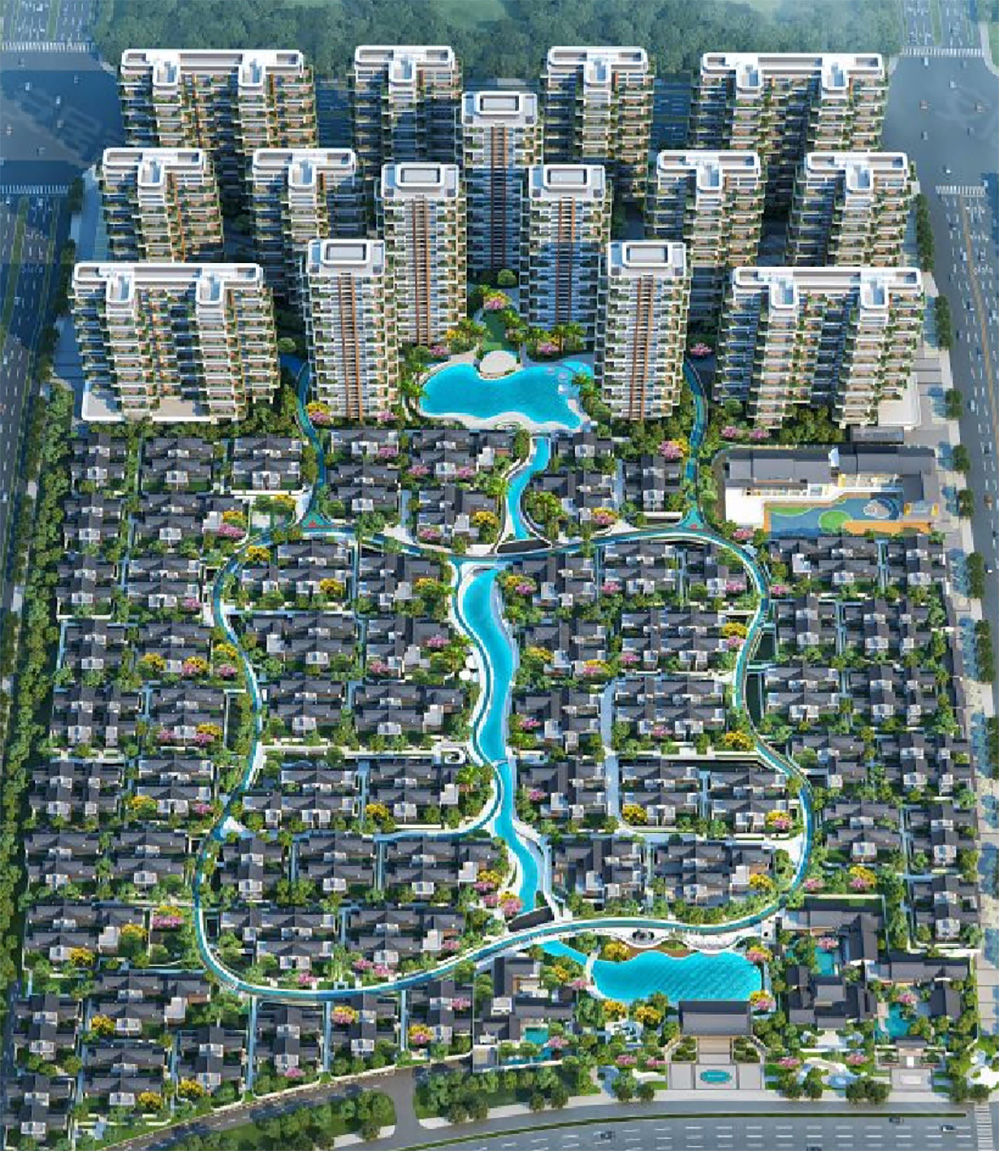
The Guigang Jihua Lotus Garden Project is located in a " Cyanthos-lake " with an area of about 40000 square meters. It is a rare third-generation lake dwelling in the world and the first large-scale water purification cultural and sports activity facility in China. The water is as clean as a mirror and the color of the water is as crystal, hence the name " Cyanthos-lake".
View Details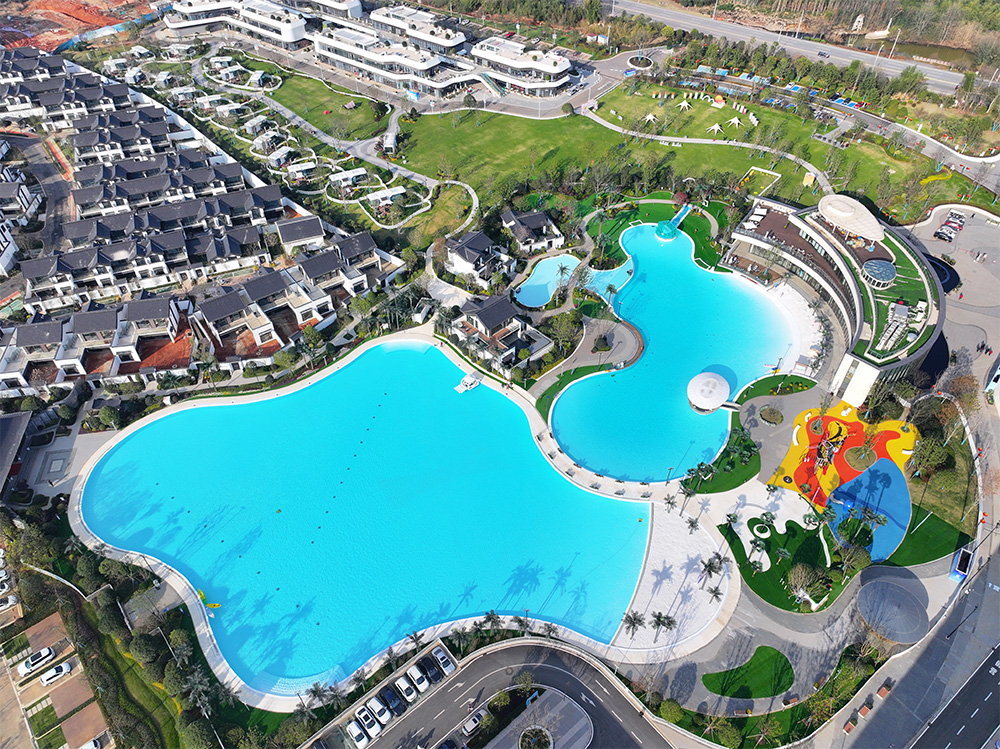
Xianning Jihua Garden is located near Guixiang Avenue in Xianning, Hubei Province, with a total investment of 4.5 billion yuan and a planned area of 1500 acres. It will create a fashionable amusement park in central China that integrates tourism, commerce, leisure, sports, entertainment, and health preservation.
View Details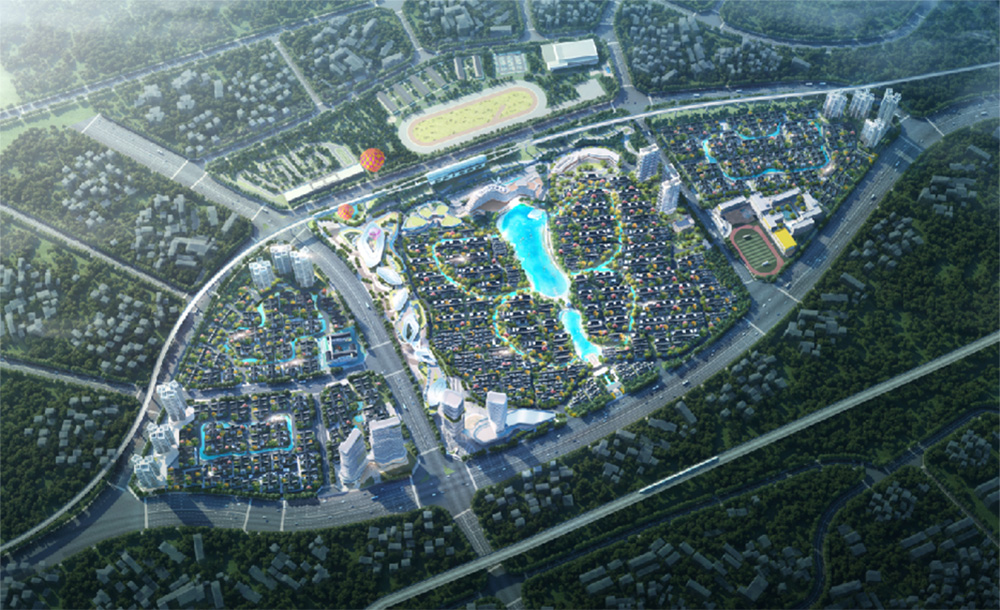
Qingyuan Jihua Garden is located at No. 99 Changlong Avenue, covering an area of approximately 586000 square meters and a building area of approximately 603000 square meters. It is currently a rare large-scale coastal high-end cultural and tourism resort in the Qingyuan market that integrates entertainment
View Details