On December 8, the Political Bureau of the Communist Party of China Central Committee convened a meeting to analyze and study the economic work for 2026.
The meeting accurately grasped the important position of 2026 in the period of the 15th Five-Year Plan, and put forward the "Eight Persistences" for doing a good job in economic work next year: persist in domestic demand-led growth and build a strong domestic market; persist in innovation-driven development and accelerate the cultivation and expansion of new growth drivers; persist in tackling tough reform tasks and enhance the dynamism and vitality of high-quality development; persist in opening-up to the outside world and promote win-win cooperation in multiple fields; persist in coordinated development and boost urban-rural integration and regional linkage; persist in being guided by the "dual carbon" goals and advance all-round green transition; persist in putting people's livelihood at the top of the agenda and strive to do more practical things for the people; persist in keeping the bottom line and proactively and steadily defuse risks in key areas.
Among these, "persisting in domestic demand-led growth" is placed at the top, highlighting its paramount importance. Data shows that from 2013 to 2024, China's economy maintained an average annual growth rate of 6.1%, and domestic demand contributed an average of 93.1% to economic growth, making it the primary driver and stabilizer of China's economic expansion.
Then, for 2026, when it comes to driving domestic demand, which should take the lead—consumption or investment?
In this regard, numerous scholars have reached a consensus. Yuan Haixia, Dean of the China Chengxin International Research Institute, holds the view that efforts should focus on boosting consumption as the core to expand domestic demand in an all-round way. On the one hand, it is recommended to take multiple measures to effectively unleash the demand for service consumption. On the other hand, it is necessary to improve people-oriented urbanization reforms to unlock the demand of new urban residents for housing, education and other areas.
When it comes to consumption, Zhang Bin, author of After the Growth Miracle, Deputy Director of the Institute of World Economics and Politics at the Chinese Academy of Social Sciences, and Senior Fellow of the China Finance 40 Forum (CF40), defines it as a long-term policy. In terms of stimulating the consumption structure, we should guide the trend along favorable circumstances and vigorously encourage service consumption, especially in economically developed regions where the demand for consumption upgrading is more urgent. Take Shanghai as an example: in recent years, it has continuously issued special consumption vouchers, which have been precisely targeted at service sectors such as sports events, hotel accommodation, characteristic catering, and film and entertainment, achieving remarkable results. Compared with traditional shopping consumption, which is prone to saturation and has the limitation of intertemporal substitution, service consumption is like an untapped rich mine with boundless potential, and it is high time to optimize stimulus measures. In response to the widespread public concern over "insufficient disposable income and inability to consume", the government has an unshirkable responsibility. It can adopt multiple measures such as tax regulation, guidance on reasonable wage growth and entrepreneurship support to broaden residents’ income channels and consolidate the foundation for consumption.
Zhang Aoping, Dean of the New Quality Future Research Institute, believes that in terms of consumption, greater support is expected to be given to service consumption. The Proposal for the 15th Five-Year Plan points out that "we should expand service consumption with a focus on relaxing market access and integrating business formats, strengthen brand leadership, standard upgrading and the application of new technologies, promote the expansion and upgrading of commodity consumption, and create a number of consumption scenarios with wide driving effect and high visibility."
Regarding the policy opportunities for service consumption, the Special Action Plan for Boosting Consumption issued by the General Office of the Central Committee of the Communist Party of China and the General Office of the State Council serves as a programmatic document for boosting consumption. It clarifies key areas including daily services, culture, sports and tourism, ice-snow economy, inbound consumption, the expansion of opening-up in the service sector, new forms of consumption, and the trade-in of consumer goods. All regions and departments will further implement the document in light of local conditions.
Where will the funding come from in 2026—the service sector or the manufacturing industry?
Lu Ming, Executive Dean of the China Institute for Urban Development at Shanghai Jiao Tong University and Distinguished Professor at the Antai College of Economics and Management, Shanghai Jiao Tong University, stated that the service sector and manufacturing industry are by no means isolated "islands" but an organic whole that empowers each other. On the journey toward upgrading manufacturing to the high-end segment, the tasks of innovation-driven development, brand building, and technological iteration and upgrading remain arduous. The consumer services sector also boasts enormous potential—it acts like a "catalyst" for consumption and absorbs a large amount of excess capacity in manufacturing. A vibrant sports event can drive the sales boom of sports equipment; a carnival-style music festival can spark a purchasing spree for peripheral products; a catering consumption upsurge can fuel a sharp rise in orders for tables, chairs and tableware. The prosperity of the service sector can in turn drive the demand for manufacturing. The key to optimizing the industrial structure lies in activating the linkage effect of the service sector on manufacturing.
Zhang Bin pointed out that a panoramic scan of China’s economy from the supply-side perspective shows that compared with other economies around the world, the diligence and dedication of Chinese workers stand as a solid foundation for economic development. Whether it is the innovation frontiers where manufacturing is moving toward the high end, or the fully market-oriented service sectors such as catering, tourism and accommodation, innovation vitality is bursting forth in full swing, and the supply side is brimming with bright spots. The people’s ardent aspiration for a better life and relentless efforts have become the inherent driving force of economic development.
From a long-term structural perspective to explore new growth drivers, the service sector is like a rich mine to be developed in depth with boundless potential. The demand for consumer services spawned by the wave of consumption upgrading is surging, and the demand for producer services derived from the industrial upgrading process is emerging like the rising sun. In the highly market-oriented sub-sectors of the service industry, such as retail, wholesale, accommodation, catering and tourism, Chinese enterprises have already made their mark on the global stage with their strength, and their competitiveness should not be underestimated.
From a long-term demand-side perspective, the people’s aspiration for a better life remains unwavering. The key lies in whether the supply side can wield the "sharp weapon" of deepening reforms to break the shackles of institutional mechanisms. If we can drastically lower the market access threshold, consolidate the foundation for fair competition, and improve the quality and efficiency of government public services, these dormant potentials will be transformed into a powerful driving force for economic growth.
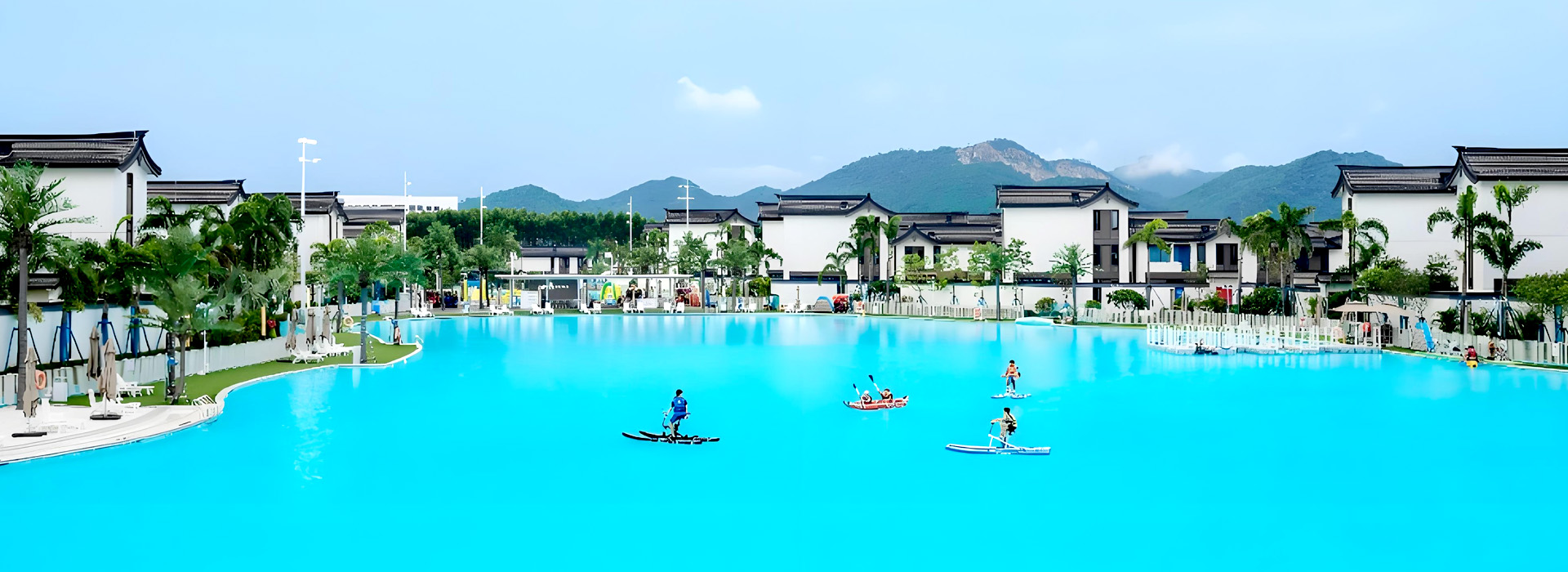
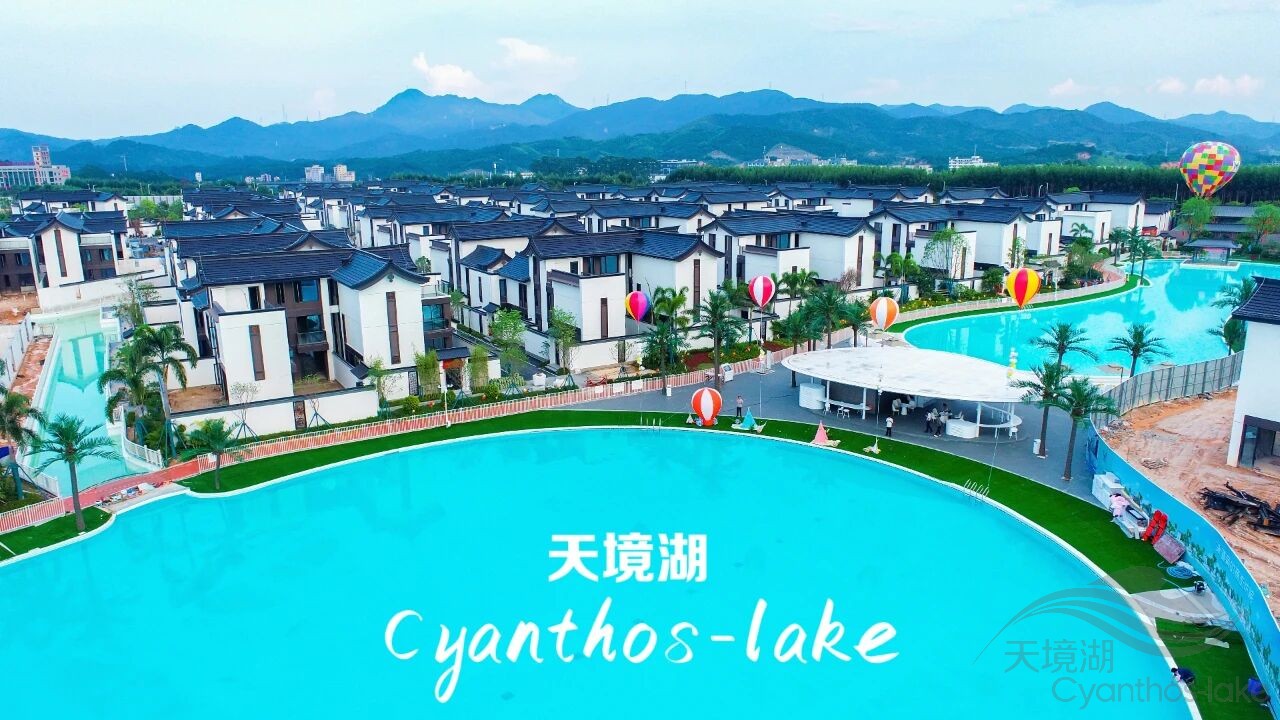
In conclusion, both from the perspective of policy dividends and scholars’ viewpoints, the industry and business scope of Tianjinghu—which is committed to creating world-famous water leisure and vacation products—are, as Professor Zhang Bin put it, a rich mine to be developed in depth with boundless potential. The value of Tianjinghu is not only that it can bring beach experiences to any location, but also that it can attract thousands of tourists, bring cultural experiences, entertainment and service activities to amusement parks, shopping malls and other destinations, thereby enhancing their profitability.
Beyond the influence of the service sector, Tianjinghu’s environmental protection philosophy is also aligned with the goal of "adhering to the guidance of the dual carbon goals and promoting comprehensive green transition" proposed in the meeting. Tianjinghu reduces energy consumption by 70%, its water consumption is only 1% of that required for the operation and maintenance of traditional swimming pools, and the dosage of chemicals is reduced by 50% to 70%. The water body can be filled once, replenished minimally, and used permanently. This sustainable feature makes Tianjinghu an environmentally friendly and economical option. In addition, Tianjinghu has obtained the international LEED certification and provides carbon neutrality solutions, creating a green and ecological water entertainment environment for users, which is in line with the modern people’s pursuit of environmental protection.
Provide pure recreational water bodies, leading a healthy and quality life
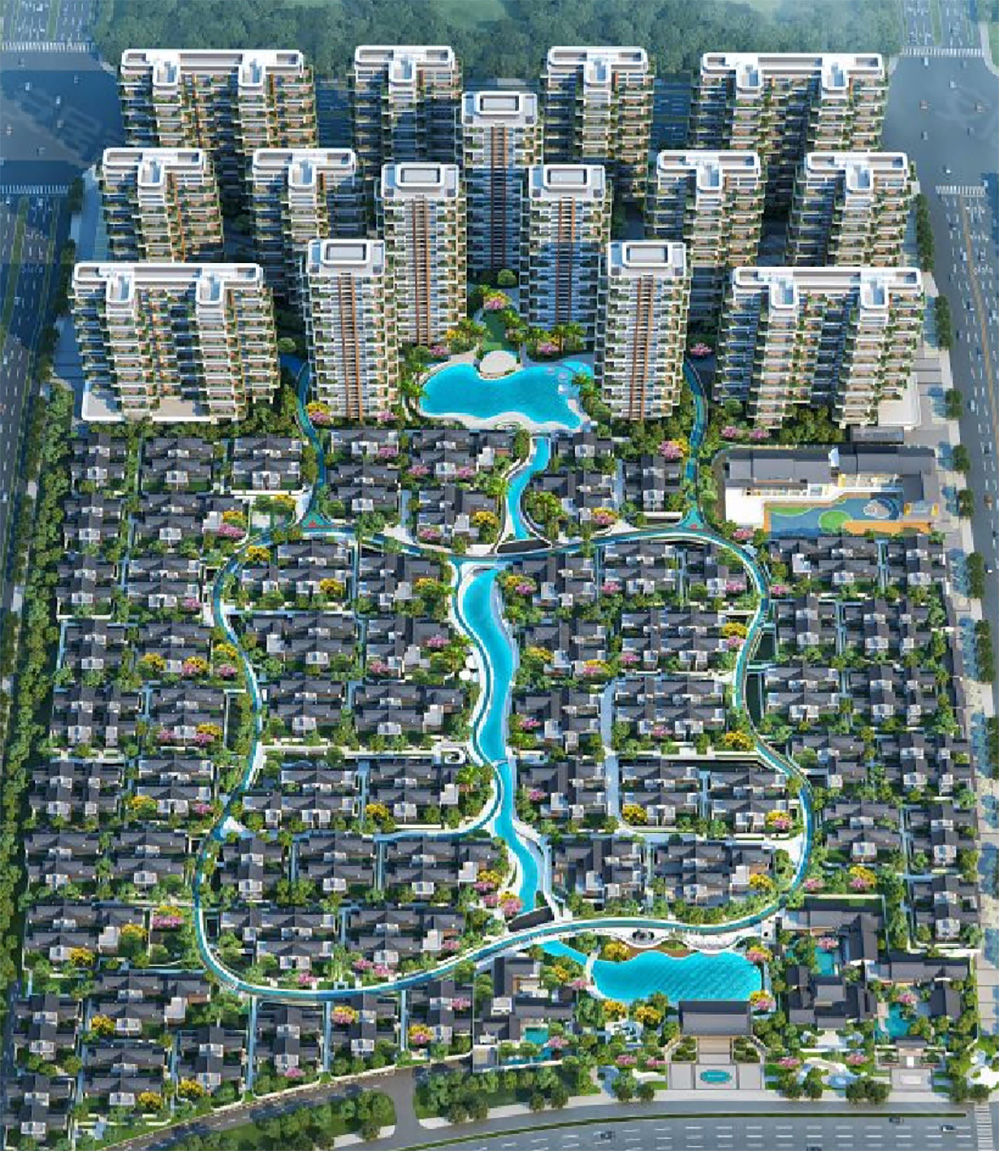
The Guigang Jihua Lotus Garden Project is located in a " Cyanthos-lake " with an area of about 40000 square meters. It is a rare third-generation lake dwelling in the world and the first large-scale water purification cultural and sports activity facility in China. The water is as clean as a mirror and the color of the water is as crystal, hence the name " Cyanthos-lake".
View Details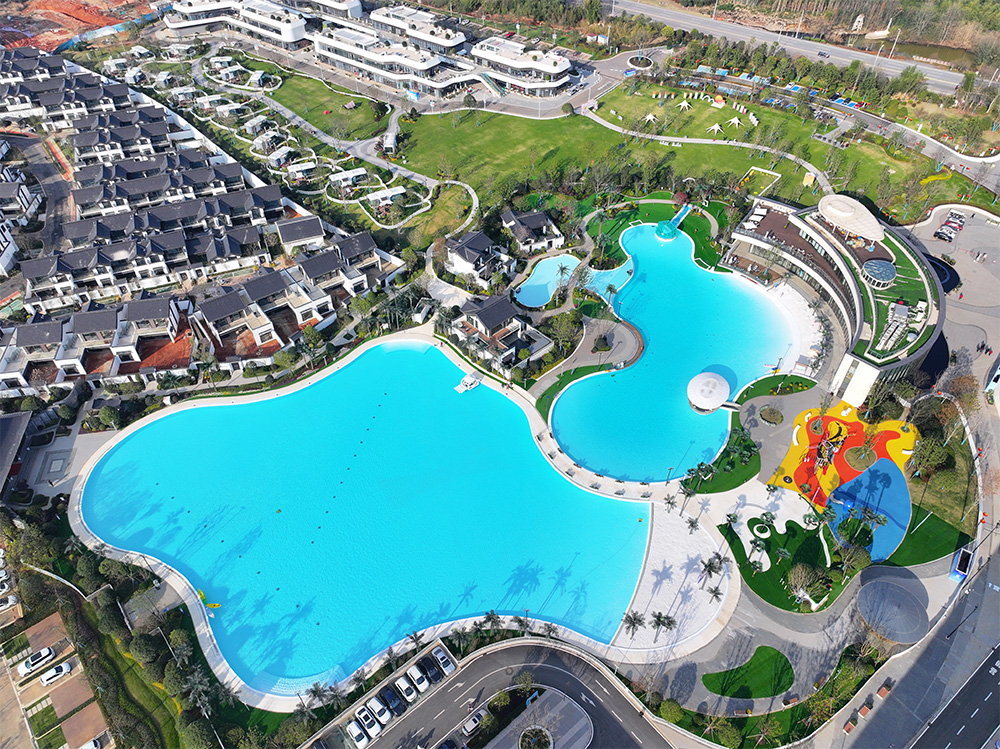
Xianning Jihua Garden is located near Guixiang Avenue in Xianning, Hubei Province, with a total investment of 4.5 billion yuan and a planned area of 1500 acres. It will create a fashionable amusement park in central China that integrates tourism, commerce, leisure, sports, entertainment, and health preservation.
View Details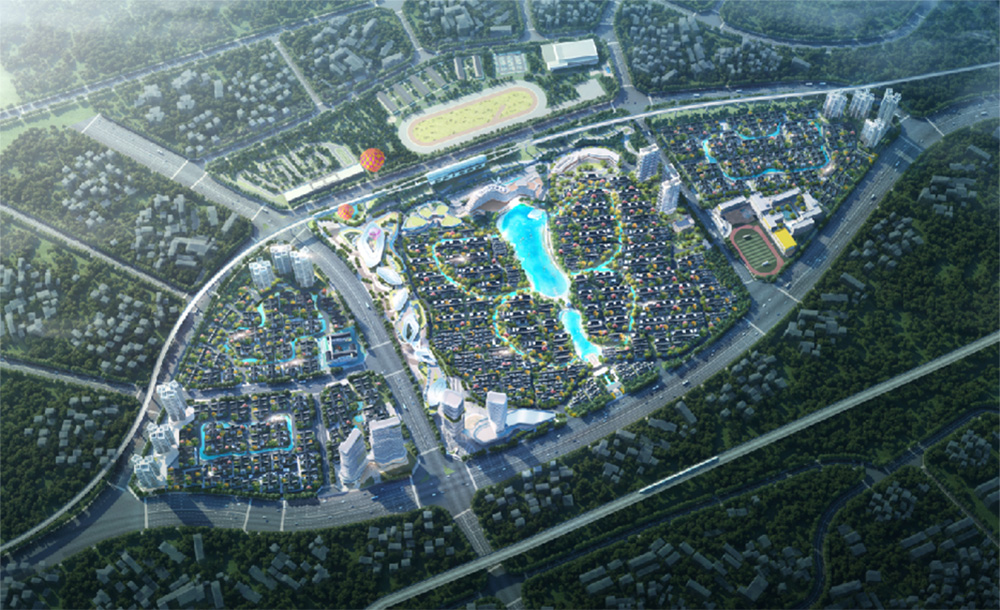
Qingyuan Jihua Garden is located at No. 99 Changlong Avenue, covering an area of approximately 586000 square meters and a building area of approximately 603000 square meters. It is currently a rare large-scale coastal high-end cultural and tourism resort in the Qingyuan market that integrates entertainment
View Details